Spider-Noir, Spider-Man, Dionysos and Greek myths
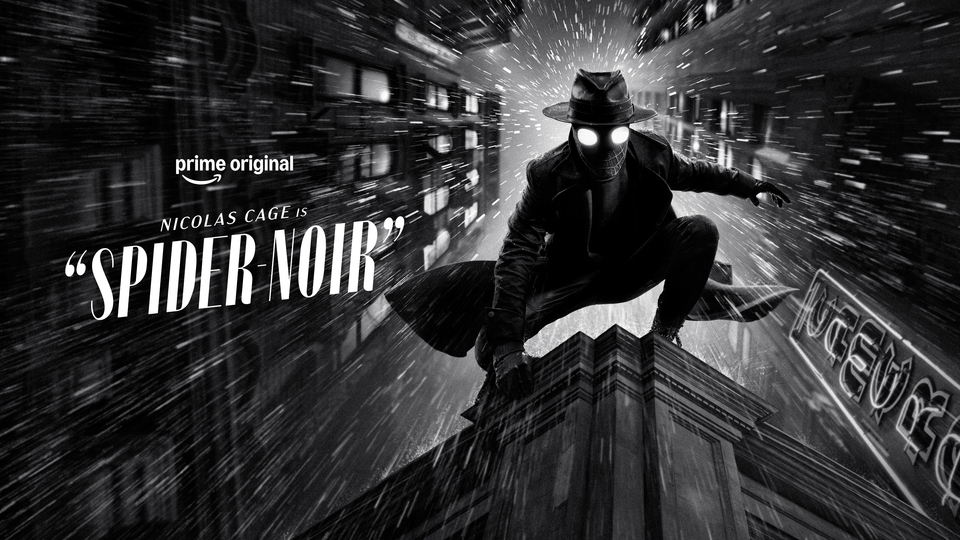
The new Amazon series Spider-Noir represents one of the most unusual and fascinating projects ever produced from Marvel’s vast catalog of characters. Set in a dark, stylized version of 1930s New York, the series focuses on the noir incarnation of Spider-Man that first gained widespread popularity through the animated film Spider-Man: Into the Spider-Verse. With its detective atmosphere, black-and-white aesthetic, and hard-boiled storytelling, Spider-Noir offers a dramatically different take on the Spider-Man mythos while remaining connected to the core themes that have defined the character for more than sixty years.
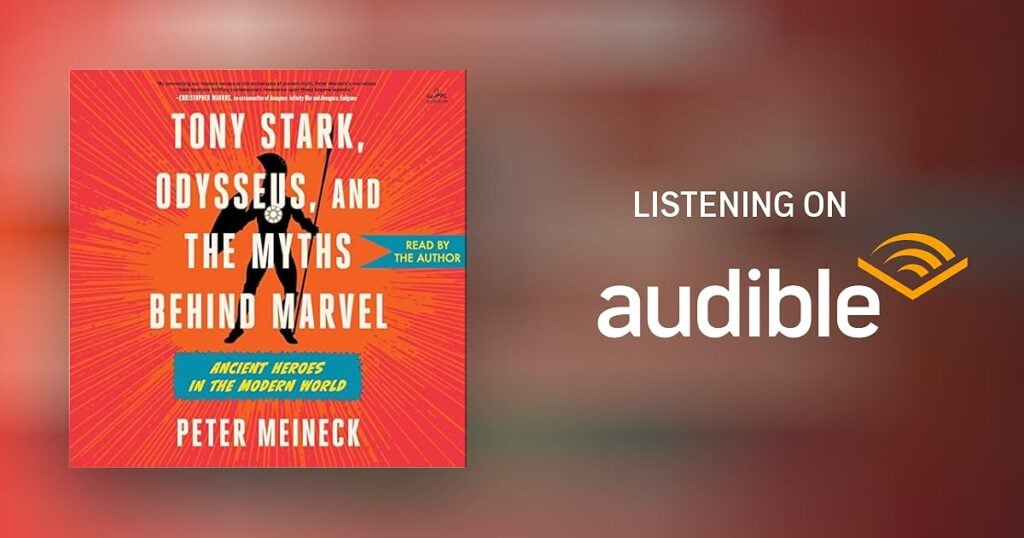
At the same time, Spider-Man himself has often been discussed as a modern mythological hero. In his book Tony Stark, Odysseus, and the Myths Behind Marvel (which we blogged about 2 weeks ago), classical scholar Peter Meineck explores how Marvel superheroes draw inspiration from ancient mythology and classical literature. Among the characters examined is Spider-Man, whose journey reflects many of the same themes found in Greek myths, especially about Dionysos and other heroic legends. While Spider-Man may not be a direct adaptation of a Greek god or hero, his story shares important parallels with mythological figures who struggle with responsibility, fate, sacrifice, and personal growth.
The World of Spider-Noir
Spider-Noir originated in Marvel Comics as part of the Marvel Noir line, which reimagined famous superheroes in the gritty environment of the Great Depression. Instead of being a modern teenager living in contemporary New York, this version of Spider-Man exists in the 1930s, an era marked by economic hardship, organized crime, political corruption, and social unrest.
The character became especially popular after appearing in Spider-Man: Into the Spider-Verse and its sequel, Spider-Man: Across the Spider-Verse. Voiced by Nicolas Cage, Spider-Noir was portrayed as a dramatic and humorous detective who viewed the world almost entirely in black and white. His trench coat, fedora, and cynical outlook distinguished him from other Spider-People while still preserving the courage and sense of justice associated with Spider-Man.
The television adaptation expands this concept into a full narrative. Rather than serving as comic relief, Spider-Noir becomes the central protagonist of a story rooted in mystery, crime, and moral ambiguity. The series explores a darker New York where corruption infects powerful institutions and where heroism often comes at a steep personal cost.
Unlike many superhero stories that focus on world-ending threats, Spider-Noir emphasizes investigation, street-level crime, and the psychological burdens carried by its protagonist. This approach aligns closely with classic film noir traditions, drawing inspiration from detective stories and crime dramas of the mid-twentieth century.
How Spider-Noir Connects to Marvel’s Spider-Man
Although Spider-Noir inhabits an alternate reality, he remains fundamentally linked to the broader Spider-Man mythos.
The Marvel multiverse allows countless variations of Spider-Man to exist simultaneously. Each version experiences different circumstances, but certain elements remain constant. Most Spider-Men lose loved ones. Most learn difficult lessons about responsibility. Most struggle to balance personal desires with their obligations as heroes.
Spider-Noir follows this pattern.
Like the traditional Peter Parker, he gains extraordinary abilities and chooses to use them in service of others. He faces powerful enemies while wrestling with his own doubts and fears. His story revolves around sacrifice and duty rather than personal gain.
This concept reflects one of the central ideas introduced in Into the Spider-Verse: every Spider-Person shares a common heroic identity despite their differences. Whether one is a teenager from Queens, a futuristic hero from another dimension, a cartoon pig, or a detective from the 1930s, the essential values remain the same.
Spider-Noir therefore functions both as an independent character and as a reflection of the classic Spider-Man. He demonstrates how the core themes of the Spider-Man story can be adapted to radically different settings while preserving their emotional power.
The connection becomes even more significant when viewed through the lens of mythology. Just as ancient cultures retold myths in different forms across regions and generations, the Spider-Verse presents multiple versions of the same heroic archetype. Every Spider-Man represents a different retelling of a larger mythic narrative.
Spider-Man as a Modern Myth
Since his creation by Stan Lee and Steve Ditko in 1962, Spider-Man has become one of the most recognizable fictional heroes in the world.
Part of his enduring popularity comes from the fact that his story resembles the structure of ancient myths.
Myths often feature ordinary individuals who receive extraordinary gifts and must learn how to use them responsibly. These heroes face trials that test their character, forcing them to mature and develop wisdom.
Peter Parker follows this exact pattern.
He begins as an awkward young man who suddenly acquires remarkable powers. Initially, he uses those powers selfishly, seeking personal success rather than helping others. Only after the tragic death of Uncle Ben does Peter understand the consequences of his choices.
This moment serves as a mythological initiation. Like many heroes before him, Peter gains wisdom through suffering. His journey thereafter becomes a continual effort to live according to the lesson that “with great power comes great responsibility.”
The story functions almost like a moral parable, much as Greek myths often taught lessons about virtue, pride, duty, and human limitations.
Peter Meineck’s Interpretation of Spider-Man
In Tony Stark, Odysseus, and the Myths Behind Marvel, Peter Meineck argues that Marvel heroes can be understood as modern descendants of classical heroes.
Rather than simply retelling Greek myths directly, Marvel creators adapted mythological themes for modern audiences. Superheroes became contemporary versions of the legendary figures who once populated ancient stories.
According to Meineck’s analysis, Spider-Man embodies several traits associated with classical heroes.
Like Greek heroes, Peter Parker constantly struggles between personal desires and larger responsibilities. He wants a normal life, meaningful relationships, and personal happiness. Yet circumstances repeatedly force him to sacrifice these goals for the benefit of others.
This tension lies at the heart of many Greek myths. Heroes frequently face situations where private happiness must be surrendered in pursuit of a greater duty.
Spider-Man’s recurring sacrifices therefore place him within a tradition that stretches back thousands of years.
Spider-Man and Odysseus
One of the strongest mythological parallels discussed by Meineck involves the god Dionysos and the hero Odysseus.
At first glance, Peter Parker and Odysseus appear very different. Odysseus is a warrior-king, while Peter is an ordinary student and photographer. Yet both characters share important characteristics.
Odysseus survives through intelligence rather than brute strength. He solves problems creatively and often relies upon ingenuity when facing overwhelming odds.
Spider-Man similarly defeats enemies through quick thinking and scientific knowledge. While his powers are impressive, his greatest strength is often his intellect.
Both heroes are also defined by perseverance.
Throughout the Odyssey, Odysseus endures endless hardships while trying to return home. Likewise, Spider-Man faces constant setbacks. Financial problems, personal tragedies, failed relationships, and dangerous enemies continually test him.
Yet he refuses to give up.
This resilience forms a key aspect of both characters and helps explain why audiences connect with them so deeply.
The Myth of Arachne and Spider-Man
Perhaps the most obvious Greek mythological connection involves Arachne.
According to Greek mythology, Arachne was an extraordinarily talented weaver who challenged the goddess Athena to a weaving contest. Although Arachne demonstrated remarkable skill, her pride angered Athena. As punishment, she was transformed into a spider.
The myth explains the origin of spiders while also serving as a warning against excessive pride.
Spider-Man’s powers naturally evoke this mythological tradition. His abilities are linked to spiders, webs, agility, and climbing. While the connection is not direct, Spider-Man inherits symbolic associations that have existed since antiquity.
Furthermore, the Arachne myth concerns responsibility and the consequences of one’s actions. These themes also define Spider-Man’s narrative. Peter repeatedly learns that choices have consequences and that power must be exercised with wisdom.
The symbolic connection between Spider-Man and Arachne helps place the character within a much older storytelling tradition.
Spider-Man and the Heroic Journey
Many scholars have observed that Spider-Man follows the classic heroic journey found in mythology.
Heroes typically experience:
- A call to adventure.
- Acquisition of special abilities.
- Trials and challenges.
- Personal transformation.
- Service to a greater cause.
Peter Parker’s life mirrors this pattern almost perfectly.
The radioactive spider bite functions as the call to adventure. His newfound abilities mark the beginning of his transformation. Encounters with villains serve as trials. Uncle Ben’s death provides the crucial lesson that shapes his character.
From that point onward, Spider-Man becomes a protector whose actions benefit society despite the personal sacrifices involved.
This structure resembles the journeys of numerous Greek heroes, including Odysseus, Perseus, and Heracles.
Spider-Noir as a Mythological Hero
Spider-Noir intensifies many of these mythological themes.
Noir protagonists often inhabit worlds where moral choices are difficult and where victory comes at a price. Such environments resemble the harsh realities faced by heroes in Greek tragedy.
Greek heroes rarely enjoyed uncomplicated success. They confronted suffering, loss, and impossible decisions. Their greatness emerged not because life was easy but because they continued despite adversity.
Spider-Noir fits comfortably within this tradition.
His version of New York is dark, dangerous, and morally complex. He cannot simply defeat evil with a punch. Instead, he must navigate corruption, deception, and human weakness.
This emphasis on moral struggle brings Spider-Noir closer to ancient tragic heroes than many conventional superhero stories.
The character therefore represents a fascinating fusion of modern comic-book storytelling, classic detective fiction, and mythological archetypes.
Why Mythology Continues to Matter in Marvel Stories
One reason Marvel characters remain culturally significant is that they draw upon timeless themes found in mythology.
Ancient myths explored universal questions:
- What responsibilities accompany power?
- How should individuals respond to suffering?
- What sacrifices are necessary for justice?
- Can ordinary people become heroes?
Spider-Man addresses these same questions.
His popularity stems not only from his costume or powers but from the moral dilemmas he faces. Readers and viewers recognize aspects of themselves in Peter Parker’s struggles. They understand the challenge of balancing personal desires with obligations to family, friends, and society.
Peter Meineck’s work highlights how Marvel heroes function as modern myths because they reinterpret these eternal concerns for contemporary audiences.
Spider-Noir demonstrates the flexibility of this mythic framework. Even when transplanted into a noir detective setting, the essential Spider-Man story remains recognizable. The character still wrestles with responsibility, sacrifice, and the pursuit of justice. The television series Spider-Noir represents an exciting expansion of Marvel’s Spider-Man universe. By placing a Spider-Man figure within the shadowy world of 1930s noir fiction, the series explores familiar themes through a fresh and visually distinctive lens. Despite its darker tone, Spider-Noir remains deeply connected to the broader Spider-Man mythology through shared ideas of responsibility, courage, sacrifice, and perseverance.
Tony Stark, Odysseus, and the Myths Behind Marvel by Peter Meineck
Viewed through the perspective offered by Peter Meineck in Tony Stark, Odysseus, and the Myths Behind Marvel, Spider-Man emerges as far more than a comic-book superhero. He is a modern mythological hero whose story echoes ancient traditions stretching back to Greece. Connections to Dionysos, Odysseus, the myth of Arachne, and the broader heroic journey reveal how Spider-Man continues patterns that have fascinated audiences for millennia.
Spider-Noir carries those traditions forward. Like the heroes of Greek mythology, he confronts a flawed world filled with danger and uncertainty. His struggle is not merely against criminals but against despair, corruption, and his own limitations. In doing so, he proves that the myths of the ancient world remain alive, transformed and reimagined through one of modern culture’s most enduring heroes: Spider-Man. Learn more about the show on its official Prime site.
Discover more from Hellenic Moon
Subscribe to get the latest posts sent to your email.