Hades II, 2025’s Action Game of the Year, is now available on Playstation and Xbox
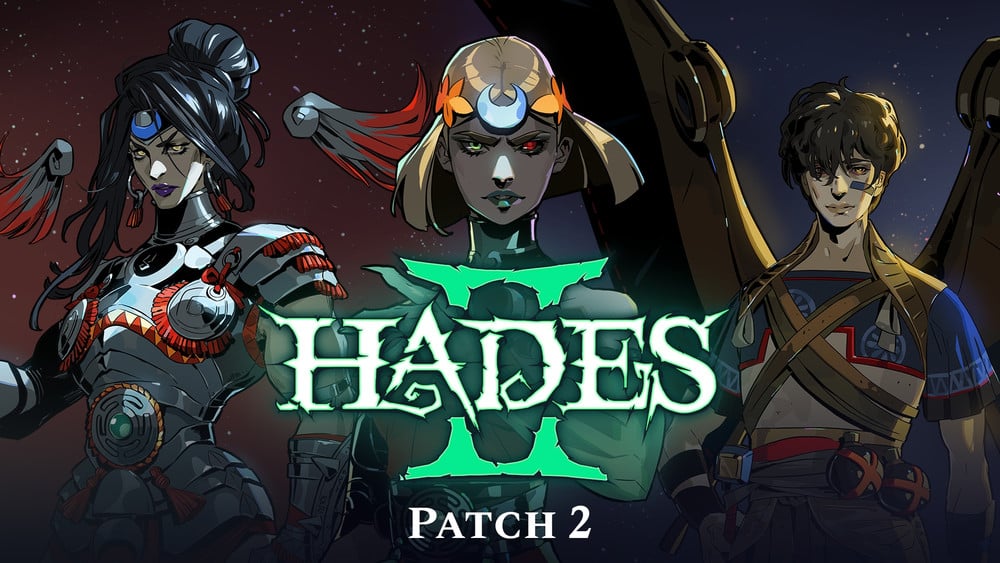
The release of Hades II on PlayStation 5 and Xbox Series X/S this week marks the final step in the evolution of one of the most celebrated action games of its generation. Already widely regarded as one of the best titles of 2025 — awarded 2025 Action Game of the Year — the console launch has brought the game to a broader audience, complete with new content, performance upgrades, and refined storytelling.
But what truly sets Hades II apart is not just its gameplay, but its deep and imaginative engagement with Greek mythology. Much like its predecessor, the game doesn’t merely reference myth—it reshapes it, expands it, and builds an interactive narrative that feels both ancient and modern at once.
Hades II : The Long-Awaited Console Release
Originally released in Early Access in 2024 and fully launched in September 2025 for PC and Nintendo platforms, Hades II finally arrived on PlayStation and Xbox on April 14, 2026.
This console release wasn’t just a simple port. It also included the 2nd major patch to the game since release, which includes:
- Enhanced performance (including high frame rates)
- New content and quality-of-life improvements
- Expanded dialogue and story elements
- Additional gameplay modes introduced in post-launch updates
The game had already earned critical acclaim for its combat system, art style, and narrative depth, and the console release reignited interest among players, especially those who had been waiting since the original Hades became a breakout hit.
A New Protagonist: Melinoë and the Underworld
At the heart of Hades II is a new protagonist: Melinoë
In Greek mythology, Melinoë is a relatively obscure chthonic deity associated with ghosts, nightmares, and the underworld. She is sometimes described as the daughter of Hades and Persephone, though myths vary.
The game takes this fragmented myth and expands it dramatically. Melinoë becomes:
- A princess of the Underworld
- A witch trained in dark sorcery
- A rebellious force against cosmic tyranny
Unlike Zagreus, the hero of the first game, Melinoë is not trying to escape the Underworld—she is trying to save it.
This shift fundamentally changes the tone. Where the original game was about identity and escape, Hades II is about war, vengeance, and restoration.
The Central Conflict: Chronos, Titan of Time
The primary antagonist of the game is Chronos, a primordial figure who predates the Olympian gods.
In Greek mythology, Chronos represents time itself, an unstoppable cosmic force. The game leans into this idea by portraying Chronos as:
- A tyrant who has overthrown the Underworld
- A being capable of manipulating time
- A near-unstoppable enemy threatening both gods and mortals
Melinoë’s quest is to defeat Chronos and restore balance, a narrative that echoes the mythological theme of younger gods overthrowing older powers, seen in stories like the Titanomachy.
This is one of the game’s most fascinating mythological reinterpretations: instead of Zeus overthrowing the Titans, we now see a new generation fighting back against time itself.
The Olympian Gods: Allies with Personality
As in the first game, the Olympian gods play a central role. These include figures like:
- Zeus
- Athena
- Apollo
- Ares
- Poseidon
They grant Melinoë boons, which are gameplay-enhancing abilities tied to their mythological domains. For example:
- Zeus grants lightning-based powers
- Poseidon provides knockback and water-based attacks
- Ares offers war-driven destructive abilities
These mechanics cleverly translate myth into gameplay. The gods are not just characters—they are systems of power.
What makes Hades II stand out is how these gods are written. They are:
- Flawed
- Emotional
- Often humorous
- Sometimes manipulative
This reflects ancient Greek mythology itself, where gods were deeply human in their behavior.
Witchcraft and the Chthonic Tradition in Hades II
One of the biggest additions in Hades II is its emphasis on magic and witchcraft. Melinoë is trained by Hecate, a powerful and mysterious deity associated with:
- The night
- Crossroads
- Spirits
- Sorcery
This focus brings in a different aspect of Greek mythology—the chthonic and mystical traditions—which were often overshadowed by the Olympian gods.
Melinoë uses:
- Ritual magic
- Arcane incantations
- Magical weapons tied to lunar and underworld symbolism
This aligns with ancient beliefs about Hecate as a guide between worlds and a protector against dark forces.
Expanding the Mythological World
While the first Hades was largely confined to the Underworld, Hades II expands its scope dramatically.
Players can now:
- Venture toward Mount Olympus
- Explore new regions tied to mythological geography
- Encounter lesser-known figures from Greek myth
Characters such as:
- Narcissus
- Echo
- Icarus
appear in expanded roles, often with deeper emotional arcs than their original myths suggest.
For instance:
- Narcissus is not just vain—he is tragic and introspective
- Echo’s story is given new emotional resonance
- Icarus becomes more than a cautionary tale
This reinterpretation is one of the game’s greatest strengths. It treats mythology not as static stories, but as living narratives open to reinterpretation.
Death, Rebirth, and the Roguelike Structure
The gameplay structure of Hades II is inherently tied to Greek mythology.
As a roguelike, the game revolves around:
- Dying repeatedly
- Returning stronger
- Gradually progressing through cycles
This mirrors the mythological concept of the Underworld as a place of eternal cycles—souls arriving, being judged, and existing in repeating states.
Melinoë’s repeated deaths are not failures; they are part of a mythological loop, similar to:
- The eternal punishments of figures like Sisyphus
- The cyclical nature of Persephone’s descent and return
In this way, the gameplay itself becomes a mythological metaphor.
Family, Fate, and Rebellion
Greek mythology often revolves around family conflict, and Hades II continues this tradition.
Key themes include:
1. Family Legacy
Melinoë is part of a divine lineage. Her actions are shaped by:
- Her father Hades
- Her brother Zagreus
- The wider Olympian family
2. Fate vs Free Will
Greek myths are filled with prophecies and inevitability. The game plays with this idea by allowing players to challenge fate, even while operating within its constraints.
3. Rebellion Against Authority
Just as Zeus rebelled against the Titans, Melinoë rebels against Chronos. This reflects a recurring mythological pattern:
The younger generation must overthrow the old order.
A Modern Interpretation of Ancient Myths
What makes Hades II remarkable is how it balances:
- Authenticity to Greek mythology
- Creative reinterpretation
It doesn’t simply retell myths—it asks:
- What happens after the myths end?
- What if lesser-known figures took center stage?
- How would gods behave in a more emotionally grounded narrative?
The result is a world that feels:
- Familiar to mythology enthusiasts
- Accessible to new players
- Deeply immersive
Why Hades II Stands Out
By the time it reached PlayStation and Xbox, Hades II had already established itself as one of the defining games of its era. Its success comes from the combination of:
- Tight, responsive combat
- Deep replayability
- Rich storytelling
- Meaningful use of mythology
The console release only strengthened its legacy, introducing new players to a game that seamlessly blends game design and classical storytelling.
Hades II – Action Game of the Year
Hades II is more than just a sequel—it is a bold expansion of both a beloved game and an ancient mythological tradition.
By centering on Melinoë and her battle against Chronos, the game taps into some of the most fundamental themes of Greek mythology:
- The struggle between generations
- The inevitability of time
- The power of rebellion
- The complexity of divine families
At the same time, it transforms these ideas into an interactive experience where players actively participate in myth-making.
The PlayStation and Xbox release in 2026 marks the moment when this experience became fully accessible, allowing a wider audience to step into a world where every run, every battle, and every conversation feels like part of a living myth.
In the end, Hades II doesn’t just tell a story inspired by Greek mythology—it becomes one, inviting players to carve their own legend in the ever-shifting realm of gods and shadows.
Discover more from Hellenic Moon
Subscribe to get the latest posts sent to your email.