Zootopia 2: The Modern Adaptation of Aesop’s Fables
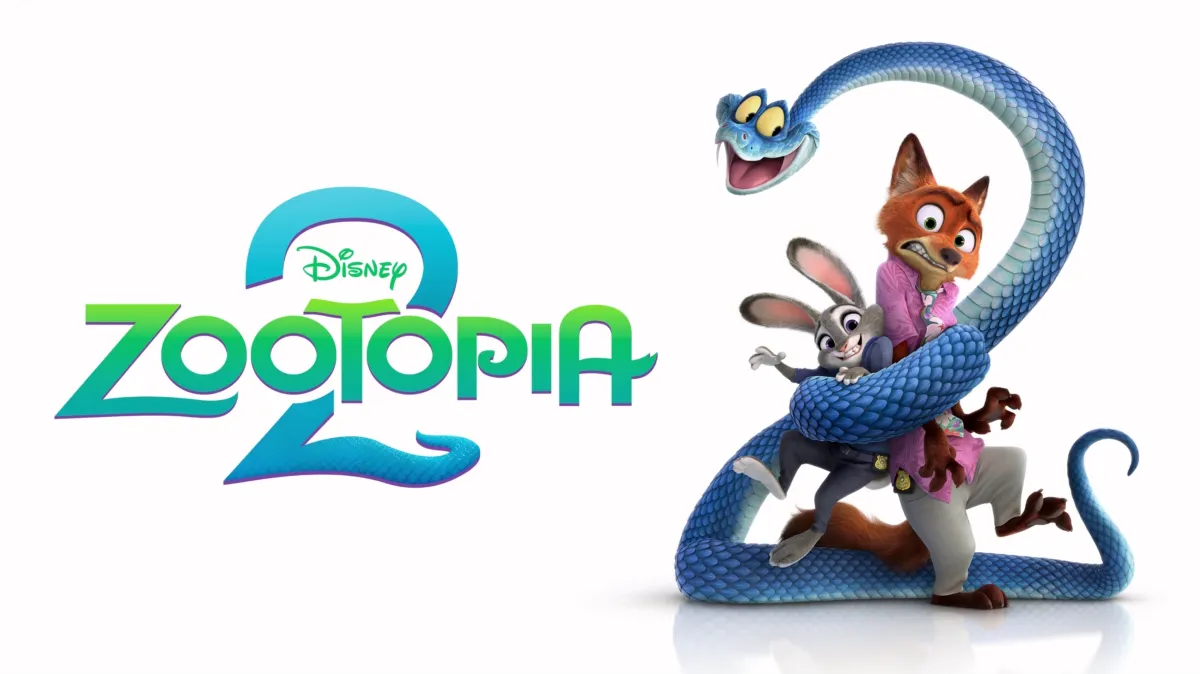
To celebrate the release of Zootopia 2 earlier this week, let’s take a look at how Aesop’s Fables influenced Zootopia 2. But before you do that, you might want to visit our old blog post about Aesop, the Father of Fables. You might also want to read up on how Aesop’s Fables influence Bugs Bunny.
The first Zootopia movie was an instant classic because it did something really clever: it took the oldest trick in the storytelling book—the talking animal fable—and updated it for our complex modern world. Instead of just giving us a simple “slow and steady wins the race” moral, it tackled massive issues like prejudice, stereotyping, and political division. The creators practically called it a modern-day fable, taking a page right out of Aesop’s book.
Now, the highly anticipated sequel, Zootopia 2 (released in late 2025), proves that the magic wasn’t a one-time thing. It doesn’t just rehash old ideas; it takes Judy Hopps, the tenacious bunny, and Nick Wilde, the smooth-talking fox, on a brand new adventure that is just as meaningful, though perhaps a bit more complicated.
The movie’s plot—which involves solving a mystery about a sneaky new reptile, Gary De’Snake, and going deep undercover into uncharted territories of Zootopia—is a masterclass in modern storytelling. It’s also packed with lessons that feel directly inspired by those ancient, moral-packed stories. Think of the whole movie as a collection of short, interconnected fables, each designed to test our heroes and the utopian city they call home.
Here’s a breakdown of how the film connects to Aesop’s greatest lessons, showing that some wisdom truly is timeless.
The Fable of the Fractured Partnership
The core of Zootopia 2 is the relationship between Judy and Nick. They went from reluctant enemies to official police partners at the end of the first film, but now they have to deal with the messy reality of working together every single day. They’re still great, but they drive each other nuts!
The directors knew they couldn’t just have Nick and Judy be perfect; where’s the fun in that? So, the movie opens with them in mandatory counseling sessions with a quokka therapist named Dr. Fuzzby. This initial setup is essentially a series of small, hilarious fables about communication, compromise, and the difficulty of blending two completely different personalities.
The Lesson of the Donkey and the Dog: Be Yourself
One of the big problems between Judy and Nick is that they keep trying to change each other. Judy, the ultimate rule-follower, wants Nick to be a by-the-book officer like her. Nick, the master improviser, thinks Judy needs to chill out and trust his street smarts.
This is a perfect modern twist on the classic Aesop’s fable of “The Donkey and the Dog.” In that story, the family dog gets lots of love for jumping up and licking his master. The donkey sees this and thinks, “Hey, I want cuddles too!” So, the big, clumsy donkey tries to copy the dog and jumps on the master, resulting in chaos and pain.
The moral Aesop gave us was simple: Don’t try to be someone you’re not.
In Zootopia 2, Judy is the donkey when she tries to force Nick into her bunny-sized idea of policing, and Nick is the donkey when he tries to use sarcastic con-artist tricks on official witnesses, which ruins Judy’s orderly process. The breakthrough comes when they realize their partnership isn’t about becoming identical; it’s about appreciating that the meticulous rabbit and the unpredictable fox together make a complete, unbeatable team. They learn that true teamwork means celebrating—not squashing—each other’s natural talents.
The Lesson of the Fox and the Stork: Give People What They Need
Nick and Judy also constantly stumble over how they communicate and show trust. Nick uses biting humor and deflection when he’s stressed, which Judy, who needs clear, direct answers, misinterprets as him pulling away. Judy, in turn, jumps straight to conclusions and makes snap decisions without checking with Nick first.
This plays out just like the fable of “The Fox and the Stork.” The Fox invites the Stork over for dinner but serves the food on a flat plate. The Fox can lap it up, but the long-beaked Stork can’t eat a thing. When the Stork returns the favor, she serves the food in a narrow vase, perfect for her beak, but impossible for the Fox’s snout. The simple moral: Treat others as you wish to be treated.
Dr. Fuzzby’s job, and the emotional arc of the sequel, is to get Nick and Judy to stop serving “dinner” (their plans and concerns) in their own preferred dishes. Nick has to learn to communicate clearly and seriously (the wide plate), and Judy has to learn that Nick’s unique methods are valid and necessary (the narrow vase). This lesson is crucial because the mystery they are investigating forces them to rely on complete trust in the most dangerous situations.
The Fable of the Serpent in the Metropolis
The first Zootopia dealt with predators and prey. But Zootopia 2 takes the city’s tolerance test to a new level by introducing the next, scariest category of animal: reptiles. When the mysterious Gary De’Snake arrives and becomes the focus of the police investigation, the whole city has a collective meltdown. Reptiles were barely mentioned before; now, they are thrust into the spotlight as the ultimate outsiders.
By choosing a snake, the filmmakers tap into a deep, universal fear—the serpent is the iconic symbol of deceit and danger in literature, from the Bible to countless fairy tales. The movie bravely forces Zootopia to confront its primal, ingrained prejudices against creatures that are fundamentally “other.”
The Lesson of the Farmer and the Snake: Fear vs. Forgiveness
The immediate reaction of the public is pure fear, a direct reaction to the fable of “The Farmer and the Snake.” That ancient story tells of a kind farmer who finds a snake frozen stiff in the snow. He pities it, brings it inside, and warms it by the fire. Once the snake revives, it immediately reverts to its natural, dangerous self and tries to bite the farmer’s child, forcing the farmer to kill it.
The old-school moral: You can’t change a venomous nature with kindness.
Zootopia 2 uses this fear to its advantage. As the mysterious plot thickens and Gary De’Snake appears to be at the center of the chaos, the mammal population quickly decides that the snake, true to its reputation, is an inherently evil threat. They believe their prejudices are confirmed: See? We shouldn’t have trusted them!
However, the modern fable masterfully flips the script. The film’s ultimate twist reveals that the true villain is not the mysterious reptile, but someone highly trusted within the mammalian establishment, someone who is deliberately manipulating the public’s inherent fear of the reptile community. Zootopia 2 turns the old moral on its head: The real danger isn’t the mysterious stranger, but the familiar person who uses fear to gain power. It’s a powerful lesson about media sensationalism and manufactured outrage.
The Lesson of the Snake and the File: Systemic Stubbornness
The reptiles’ struggle in Zootopia isn’t just about public opinion; it’s about the very design of the city. This idea connects to the fable of “The Snake and the File.” A snake enters a metal workshop and attempts to bite a hard metal file. The file is unharmed, and the snake only damages its own teeth, but the file remains firm and unyielding.
The “file” in the sequel represents Zootopia’s established, mammal-centric institutions—the police, the laws, the buildings. The city was designed for mammals, by mammals. When the reptile community tries to integrate or challenge the system—to bite the file—they are the ones who suffer. The infrastructure, the social rules, even the architecture of Zootopia is rigid and unyielding to their needs, causing them to self-isolate in hidden areas like the Marsh Market.
This fable highlights a deeper theme in Zootopia 2: It’s not enough to simply tolerate differences; you must rebuild the system to accommodate them. The film argues that if society (the file) refuses to change, the marginalized groups (the snake) will continue to hurt themselves trying to fit in, perpetuating inequality.
The Fable of the Segregated Utopia
A major new setting is the Marsh Market, a huge, semi-aquatic district built for seals, hippos, and walruses, where reptiles are rumored to hide out. When Judy and Nick are forced to go deep undercover here, it’s a total fish-out-of-water scenario, literally. The Marsh Market uses water travel, transport tubes, and swim-up shops, and is clearly not designed for a bunny or a fox.
This environment helps the film teach a very strong lesson about scale, privilege, and governmental oversight.
The Lesson of the Frog and the Ox: Size, Ambition, and Reality
Judy and Nick are hilariously ineffective in the Marsh Market. They are constantly swimming, slipping, or being dwarfed by the massive animals and the giant systems designed for them. This visual gag is actually a clever use of “The Frog and the Ox.” In the fable, a small Frog sees a gigantic Ox and decides, out of pure, foolish ambition, that he must become just as large. He keeps puffing himself up until he explodes. The moral: Know your limits.
In the context of the sequel, this fable works in two ways. First, it’s a lesson for Judy and Nick: they have to stop relying on their ZPD titles and standard procedures (their “ox-sized” authority) and admit they are small, out-of-place frogs who need help navigating this new world.
Second, it’s a critique of Zootopia’s founders. The “Ox” is the massive mammalian majority that designed the city. The other districts, like Marsh Market, feel like afterthoughts, or separate ponds entirely. The governing body—represented by the new, pompous stallion mayor, Brian Winddancer—has puffed itself up with the ambition of creating a unified city, but in reality, they have only created a city built to the scale and comfort of the majority, leaving others floundering. The Marsh Market is a physical testament to the unequal distribution of attention and resources.
The Lesson of the Frogs Desiring a King: The Danger of Bad Leadership
The investigation leads Judy and Nick to confront the failures of Zootopia’s current leadership, namely the aloof Mayor Winddancer. This mirrors one of Aesop’s greatest political fables: “The Frogs Desiring a King.”
The Frogs, tired of living freely without a ruler, ask Zeus for a King. Zeus throws a simple, inert log into the pond. The Frogs are terrified at first, but soon realize the log does nothing and start disrespecting it. They demand a “real” king. Angry at their foolishness, Zeus sends a Water Snake (or sometimes a Heron) who starts eating them. The powerful moral: Be careful what you wish for, and sometimes, the biggest threat is demanding change without understanding the consequences.
Mayor Winddancer, the powerful stallion, is the “log” in Zootopia 2. He is symbolic, handsome, and ineffective, doing nothing to address the deep-seated issues in places like Marsh Market. His inaction and disconnect create the perfect opportunity for the true villain to emerge. This new threat acts as the “Water Snake,” exploiting the city’s political vacuum and the public’s fear to eat away at Zootopia’s peace.
The film’s lesson here is loud and clear: A healthy society is not measured by how good the dominant groups have it, but by how well the government serves its least-seen, most-neglected communities. When the leaders are just symbolic and the neglected communities suffer, the entire city becomes vulnerable to destructive forces.
Zootopia 2: An Evolved Moral for a Complex World
Zootopia 2 succeeds by keeping its characters familiar and its themes universal, all while deepening its connection to the ancient tradition of the fable. It’s an incredibly smart, funny, and engaging movie that works on multiple levels.
The central lesson of the sequel is that a true utopia isn’t a final destination; it’s a constant, hard job. Nick and Judy have to keep working on their partnership (reconciling the Fox and the Stork), and the city has to constantly dismantle its built-in biases against new groups (rejecting the fear in “The Farmer and the Snake”).
By using animals and their associated reputations, Zootopia 2 manages to discuss incredibly complex topics—systemic inequality, fear-mongering, and relational trust—in a way that kids can understand and adults can appreciate. It’s truly a modern fable that reminds us that, just like the animals of old, we have to keep learning how to be better to each other. Visit the official Disney site of the movie for more.
Discover more from Hellenic Moon
Subscribe to get the latest posts sent to your email.