Frankenstein-inspired The Bride! out in cinemas now
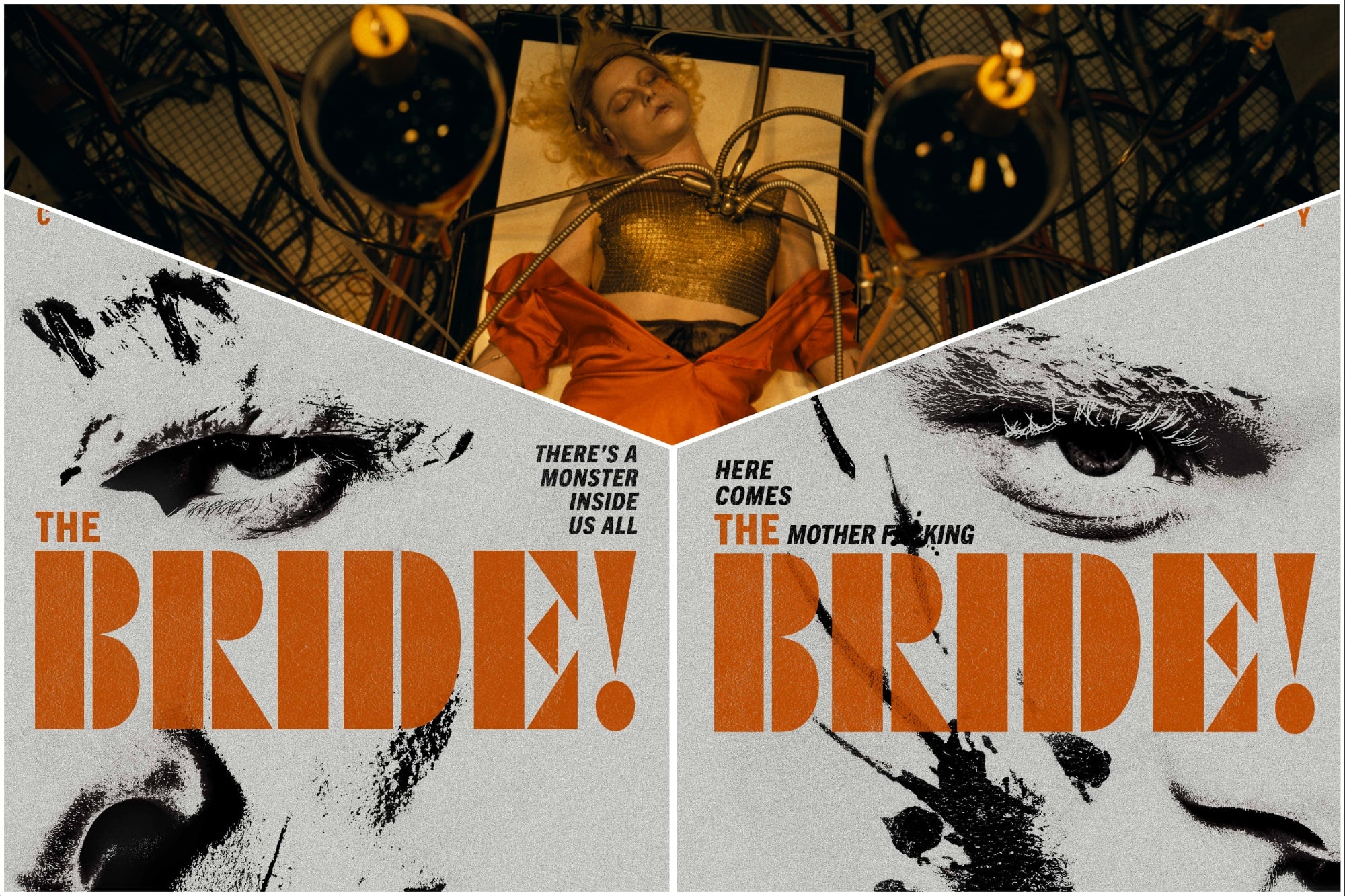
The 2026 film The Bride! represents one of the most ambitious reinterpretations of a classic horror story in modern cinema. Directed and written by Maggie Gyllenhaal, the film reimagines the famous Bride of Frankenstein character within a bold, genre-blending narrative that mixes horror, romance, crime drama, and social satire. Starring Jessie Buckley as the Bride and Christian Bale as Frankenstein’s monster, the movie relocates the story to 1930s Chicago and transforms it into a dark, rebellious love story about identity, loneliness, and rebellion.
While the film stands as a unique cinematic work in its own right, its true significance lies in its connection to one of the most influential novels ever written: Frankenstein; or, The Modern Prometheus by Mary Shelley, first published in 1818. The Bride herself became an iconic character largely thanks to the classic horror film Bride of Frankenstein, which expanded a small element from Shelley’s novel into a central cinematic myth.
Understanding The Bride! therefore requires looking not only at the film itself, but also at the centuries-long legacy of the Frankenstein story and the cultural importance of its themes. Start by visiting out old blog post to learn more about how Mary Shelley’s Frankenstein was influenced by Greek mythology.
The Plot of The Bride! (2026)
In Gyllenhaal’s reinterpretation, the narrative is set in 1930s Chicago, a period defined by economic hardship, organized crime, and rapid social change. The film begins with Frankenstein’s monster—known as “Frank”—living in isolation and seeking companionship. Desperate for connection, he approaches a scientist named Dr. Euphronius, played by Annette Bening, asking her to create a partner for him.
A young woman named Ida is murdered by criminals, and her body becomes the basis for the experiment. Using scientific techniques reminiscent of Victor Frankenstein’s infamous creation, the scientist and the monster resurrect her corpse. She returns to life transformed—disfigured, powerful, and filled with rage at the world that killed her. This resurrected woman becomes the Bride.
Unlike earlier versions of the character, the Bride in this film is not passive or silent. Instead, she develops a fierce personality and a complex relationship with the monster. Their partnership evolves into a rebellious and chaotic romance as the two embark on a violent journey across America, pursued by law enforcement. Their dynamic has been compared to outlaw couples such as Bonnie and Clyde, blending gothic horror with gangster film traditions.
This reinterpretation transforms the story into something more than a horror narrative—it becomes a tale about outsiders struggling against a hostile society.
The Origins of the Story: Mary Shelley’s Frankenstein
To understand why The Bride! matters, we must return to the beginning of the myth.
In 1818, the young English writer Mary Shelley published Frankenstein; or, The Modern Prometheus, a groundbreaking novel that combined elements of gothic horror, philosophical speculation, and early science fiction. The story centers on Victor Frankenstein, a scientist who discovers the secret of creating life and assembles a living being from corpses.
However, after bringing the creature to life, Frankenstein is horrified by his own creation and abandons it. The creature—intelligent, sensitive, and desperate for companionship—experiences rejection from humanity because of his terrifying appearance. This isolation eventually drives him toward anger and violence.
One of the novel’s most important episodes involves the creature asking Frankenstein to create a female companion for him. The creature promises that if he has a partner, the two will leave humanity alone forever.
Frankenstein initially agrees but later destroys the half-finished female body, fearing that the pair might create a race of monsters. Enraged, the creature vows revenge.
The female creature never comes to life in the novel. Yet the mere idea of her existence—“the Bride”—became one of the most powerful concepts in horror fiction.
The Birth of the Bride in Classic Cinema
The Bride truly became a cultural icon with the 1935 film Bride of Frankenstein, directed by James Whale.
In that film, the scientist reluctantly builds a female companion for the monster. The Bride, played by Elsa Lanchester, appears only briefly near the end of the movie, yet her design—wild white hair streaked with lightning-like black lines—became one of the most recognizable images in horror cinema.
Despite her short screen time, the character had a profound impact on popular culture. She represented several themes:
- The fear of unnatural creation
- The loneliness of the monster
- The dangers of playing god with science
- The tragic impossibility of companionship between artificial beings
Ironically, the Bride barely speaks in the film and rejects the monster almost immediately. Her scream triggers the monster’s despair, leading to the destruction of the laboratory.
Because the character appears so briefly, many filmmakers and critics have long wondered what her story might be if she had a voice and agency. That question is precisely what inspired Gyllenhaal’s new film.
Reimagining the Bride
In interviews, Gyllenhaal explained that one of her main motivations was frustration with how little the Bride appeared in earlier versions of the story. In the 1935 film, the character appears only in the final moments and has no dialogue.
The director wanted to explore what might happen if this character had a full personality and perspective. Her version of the Bride therefore becomes a central figure rather than a symbolic prop.
This creative choice reflects broader changes in storytelling over the past century. Modern audiences often expect classic stories to be reexamined from new perspectives—especially those of characters who were marginalized or underdeveloped in earlier works.
By expanding the Bride’s role, the film explores themes such as:
- Female autonomy
- Social rebellion
- Rage against injustice
- The complexity of identity
In Gyllenhaal’s interpretation, the Bride embodies suppressed emotion finally unleashed. The character is described as someone who has “so much to say” after being silenced for generations of storytelling.
Themes of Loneliness and Humanity
One of the enduring reasons the Frankenstein story remains powerful is its exploration of loneliness.
In Shelley’s novel, the creature is not inherently evil. Instead, he becomes violent only after being rejected by society. His desire for companionship is deeply human, even though he is physically monstrous.
The Bride! continues this tradition by emphasizing the emotional vulnerability of the monster. The film portrays Frank as a lonely figure seeking connection in a world that fears him.
The Bride’s arrival initially promises to solve this problem, but it also introduces new complications. She is not simply a passive companion; she has her own desires, anger, and sense of identity.
Their relationship therefore becomes a metaphor for the struggle to understand another person—especially when both individuals feel alienated from society.
The Frankenstein Myth and Modern Science
Another reason the Frankenstein story remains culturally significant is its connection to scientific ethics.
When Mary Shelley wrote Frankenstein, the Industrial Revolution was transforming society. New discoveries in electricity and biology made the idea of reanimating life seem almost plausible. Shelley’s novel became a cautionary tale about the dangers of uncontrolled scientific ambition.
This theme has remained relevant for over two centuries. Today, discussions about:
- Artificial intelligence
- Genetic engineering
- Cloning
- Biotechnology
often invoke the phrase “Frankenstein complex”—the fear that humans might create something they cannot control.
By revisiting the Frankenstein myth in a modern film, The Bride! participates in this long tradition of questioning humanity’s relationship with science and creation.
The Bride as a Cultural Symbol
Over time, the Bride of Frankenstein has become more than just a character. She has evolved into a symbol used across multiple forms of art and media.
Her distinctive look has influenced:
- Halloween costumes
- Gothic fashion
- Rock music imagery
- Horror film aesthetics
The character also represents the idea of the “constructed woman”—a female identity literally assembled by male creators. This concept has been widely discussed in feminist film criticism.
By giving the Bride a voice and agency, the new film challenges the traditional portrayal of the character as a silent object of male experimentation.
A Genre-Blending Modern Interpretation
Another reason The Bride! stands out is its unusual mixture of genres. While rooted in horror, the film also incorporates elements of:
- Romantic drama
- Gangster films
- Dark comedy
- Musical sequences
This genre blending reflects the evolving nature of modern cinema, where filmmakers often reinterpret classic stories in unexpected ways.
Setting the story in the 1930s gangster era also adds a new dimension. The time period evokes a world of crime, rebellion, and social upheaval—perfect for a story about two outsiders who refuse to conform.
Critical Reception and Cultural Conversation
Early reactions to the film have been mixed but passionate. Some critics praise its bold vision and unconventional style, while others find it chaotic or tonally uneven.
This divisive reception is not unusual for reinterpretations of classic stories. When filmmakers challenge established mythology, audiences often react strongly—both positively and negatively.
However, even critics who disagree about the film’s execution often acknowledge its ambition and willingness to reinterpret a famous character.
Why the Frankenstein Legacy Still Matters
More than two hundred years after Mary Shelley wrote Frankenstein, the story continues to inspire new adaptations across literature, film, television, and video games.
The enduring appeal of the Frankenstein myth comes from its universal themes:
- The desire for companionship
- The fear of rejection
- The responsibility of creators toward their creations
- The consequences of technological progress
Every generation reinterprets these themes in ways that reflect its own concerns.
In the early 19th century, the story reflected fears about science and industrialization.
In the 20th century, it became a symbol of nuclear anxiety and scientific ethics.
In the 21st century, it resonates with debates about artificial intelligence, identity, and social alienation.
The Bride! is therefore part of a long tradition of retelling the Frankenstein myth for new audiences.
The Bride!
The film The Bride! is far more than just another horror movie. It is a reinterpretation of one of the most influential stories in literary and cinematic history.
By expanding the role of the Bride—a character who originally appeared only briefly in earlier versions of the story—the film offers a fresh perspective on the Frankenstein myth. It explores themes of identity, rebellion, loneliness, and the search for companionship while paying tribute to the legacy of Frankenstein; or, The Modern Prometheus and the iconic film Bride of Frankenstein.
More importantly, the movie demonstrates why the Frankenstein story continues to matter. Each new adaptation reflects the anxieties and hopes of its time, proving that Mary Shelley’s creation remains one of the most powerful myths of the modern age.
In giving the Bride her own voice, the film not only revisits a classic monster story but also transforms it—turning a once-silent character into the center of a bold, chaotic, and deeply human tale. Visit the official website of The Bride! for more.
Discover more from Hellenic Moon
Subscribe to get the latest posts sent to your email.